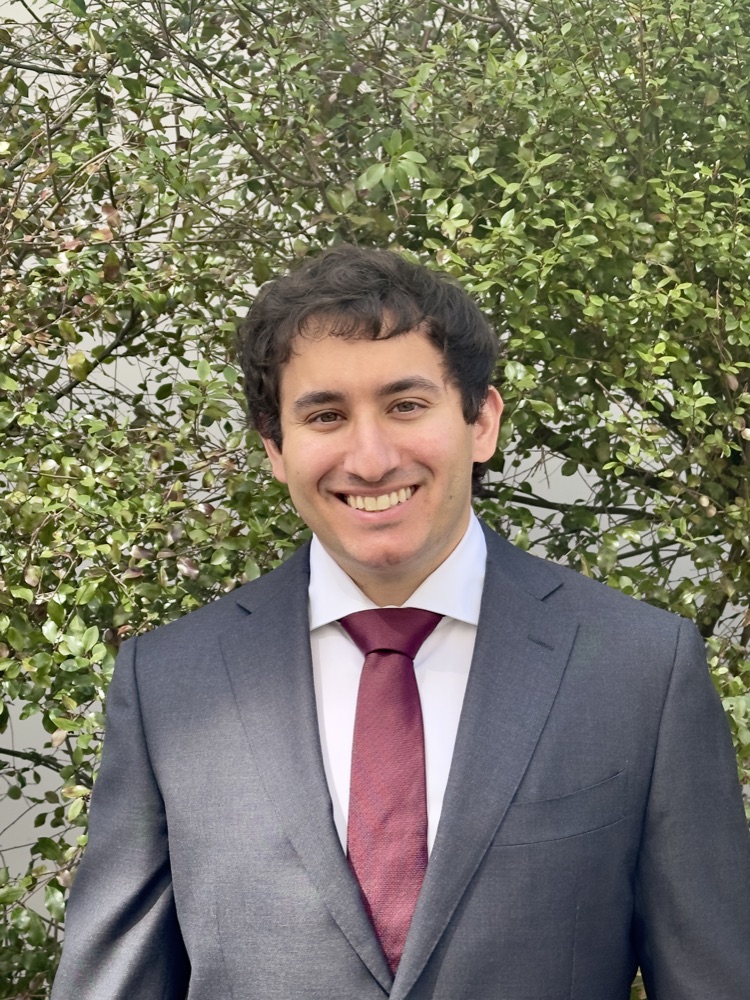
Luke Bhan
I build algorithms for controlling physical systems that combine machine learning with structure to provide provable guarantees.
Pure learning is fast but unaccountable; classical control is rigorous but requires domain expertise and lacks scalability. My research fuses their strengths, building ultra-fast controllers for robots, vehicles, and biological systems that act in real time and provide theoretic performance guarantees.
I am on the academic job market this year and excited to find the right fit. I'd love to connect, reach me at lbhan@ucsd.edu.
Research
Algorithms that capitalize on the performance of machine learning, with the provable certificates needed for deployment in real-world physical systems. I tell an engineer exactly how accurately to train their controller and, from the loss it reaches, the closed-loop performance it will achieve.
A car-like vehicle has different delays on its steering and acceleration. A separate neural-operator predictor compensates each one, so it still drives cleanly to its target.
An age-structured population is steered to a target equilibrium, with the stabilizing control gains learned online from the population's birth and mortality rates.
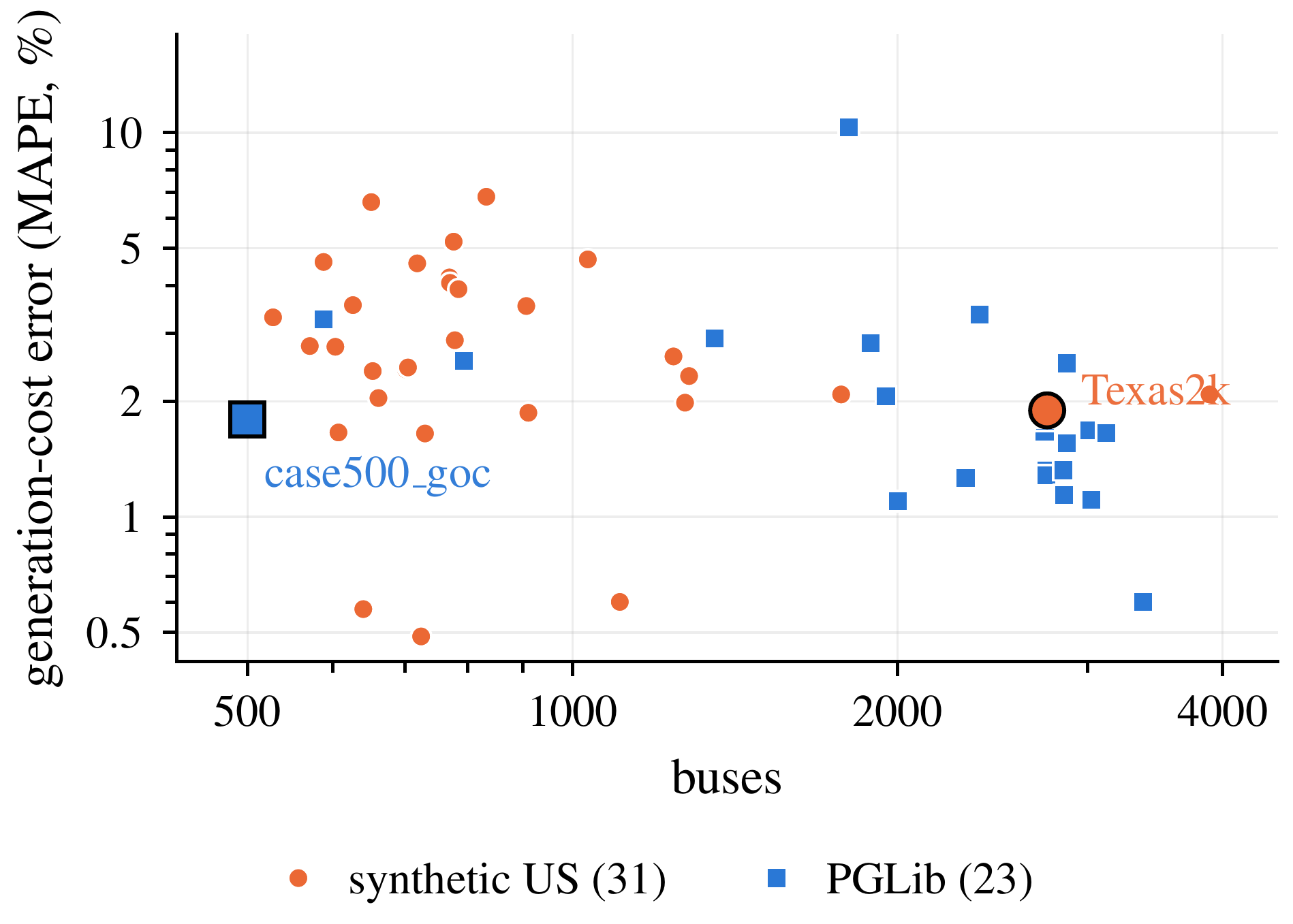
GridSFM is a foundation model for AC optimal power flow. It learns across 54 power-grid topologies, pairing physics-informed learning with a local guarantee for projecting predictions onto physically feasible operating points.
A manipulator performs a fast task through a long actuation delay. Without compensation the delay destabilizes the loop and the task fails; a neural-operator predictor reconstructs the future state so the same task completes, with a stability guarantee.
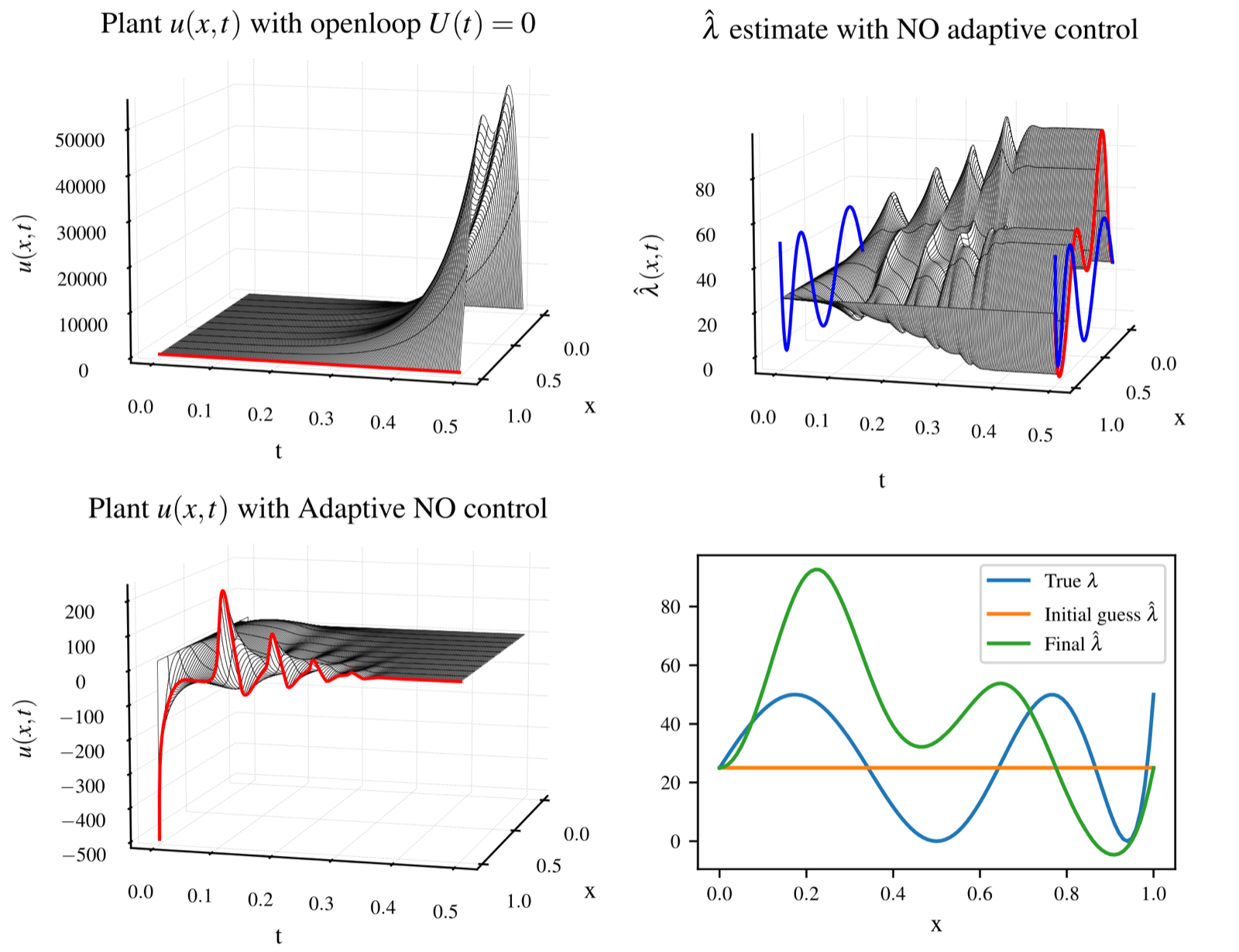
Stabilizing a PDE from its boundary requires solving a kernel PDE for the control gains, recomputed for every new plant. A neural operator learns that gain-kernel map directly, preserving the stability guarantee while replacing the expensive solve, and even adapting it online when the plant's coefficients are unknown.
About
I'm a doctoral candidate at UC San Diego in Intelligent Systems, Robotics & Control (ECE), advised by Yuanyuan Shi with mentorship from Miroslav Krstić. My PhD is supported by the DOE Computational Science Graduate Fellowship.
My goal is a single, rigorous toolkit (operator learning with formal control-theoretic guarantees) that transfers across domains rather than being rebuilt for each one. The same methods that stabilize a partial differential equation 1000× faster than classical solvers also plan robot motion that generalizes across environments, and steer biological and traffic systems in real time.
Before UCSD I studied physics, applied math, and computer science at Vanderbilt University in an accelerated BS/MS program, advised by Gautam Biswas and Kálmán Varga.
Teaching & service
In the ChatGPT era, I think the most valuable part of a classroom is the people in it, the peers and colleagues you get to think alongside. So in the lectures I help teach, I try to lean on participation and discussion rather than one-way delivery.
Mini lecture series
A 4-lecture introduction to scientific machine learning, recorded from the live classes I help teach within Physics-Informed Machine Learning at UC San Diego.
See the lectures → Watch on YouTube ↗
Courses & assistantships
Peer review